Production setup
Existing line setup versus new tooling, mold, handwork, print detail, or special process.
OEM & custom development
Build from a proven format or develop a more exclusive product. YOUFU helps connect the consumer idea to a manufacturable specification, approval path, and retail-ready pack.
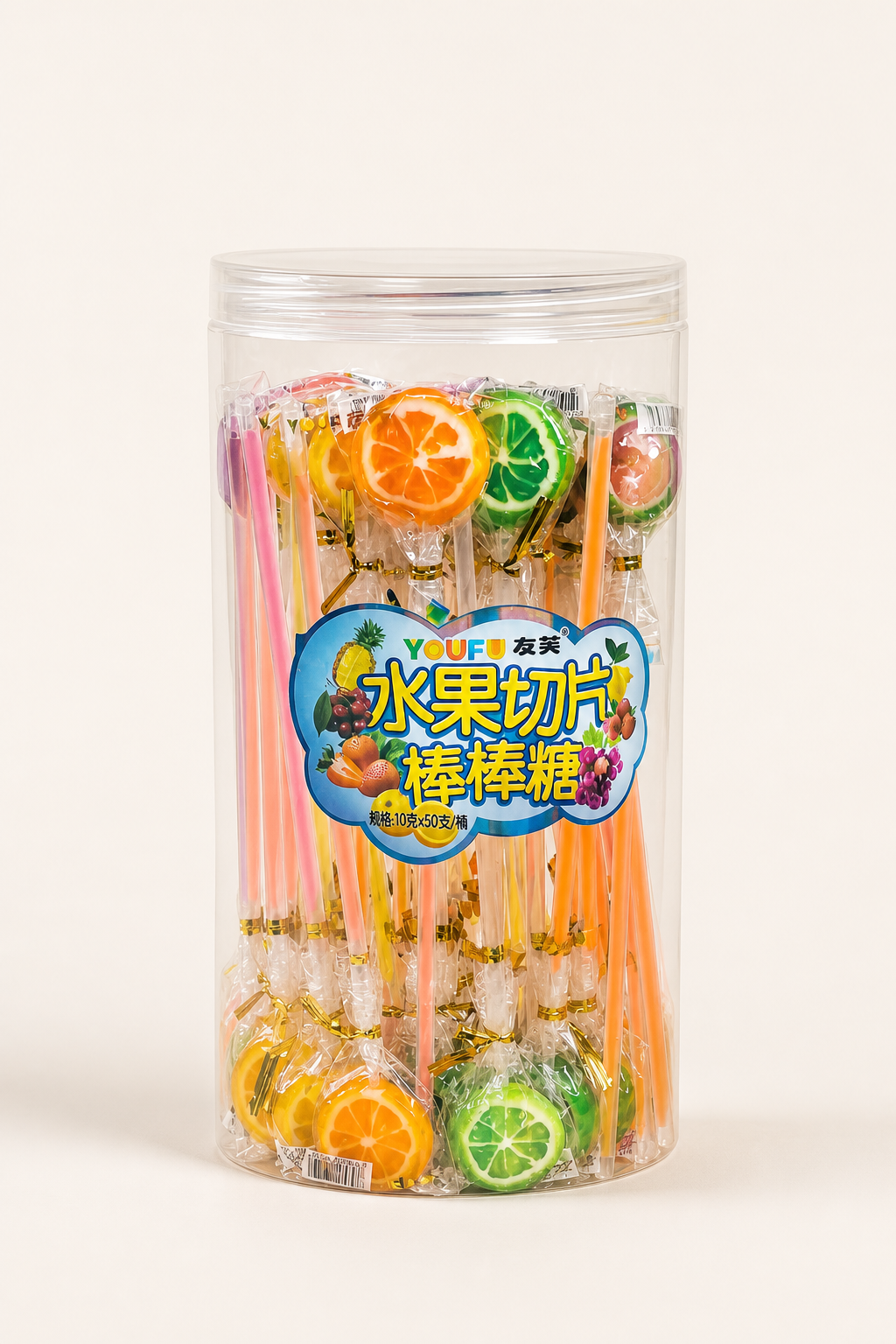
Project fit
Customization map
Not every project needs every layer. Selecting the few decisions consumers will actually notice often produces a stronger, more efficient result.
Development path
The route is adjusted to the complexity of the project. A new mold, formula, and pack requires more gates than a private-label version of an existing product.
Confirm buyer, channel, market, product intent, volume range, timing, and known constraints.
Output: feasible direction and open questionsDefine development scope, principal cost drivers, sample plan, and responsibilities.
Output: agreed route before development spendReview form, taste, texture, color, weight, and recognizable design details.
Output: approved product referenceReview artwork, labels, destination needs, tests, documents, and shipping assumptions.
Output: production-ready specificationConfirm final reference, quality points, packing configuration, and production release.
Output: controlled first productionCommercial clarity
Exact figures require a product brief. These are the variables procurement should expect us to ask about before a useful quote.
Existing line setup versus new tooling, mold, handwork, print detail, or special process.
Standard formula versus ingredient restrictions, desired claims, testing, or destination-specific review.
Stock versus custom components, print method, pack count, display configuration, and case packing.
Number of sample rounds, artwork changes, licensing approvals, testing, and buyer response time.
Total volume, number of SKUs, flavor splits, seasonal allocation, and repeat-order forecast.
Destination, shipping method, carton constraints, shelf environment, and required delivery window.
Custom project brief
Share your market, channel, product direction, expected volume, timing, and anything that must not change. We will help define the rest.